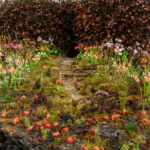

When the rest of the garden takes a deep winter nap, South Africa’s indigenous stars come alive, showing off bold blooms and fiery splashes to warm up the coldest days. These resilient plants are not just survivors, but showstoppers. They form the backbone of a beautiful, biodiverse winter garden, and with the right care, they will reward you for years.
Winter is no time to give up on the garden, whether you’re after colour, providing food for the birds, or persuing waterwise gardening. Here’s how to bring the magic home with some of our favourite winter bloomers—proudly local, easy to grow, and packed with purpose.
Aloes are remarkably low maintenance once established. They need full sun and very good drainage, so they will do well if planted on a slope, in a rockery or in a raised bed. If your beds don’t offer good drainage, add gravel to the soil. Aloes also do very well in pots, especially the smaller varieties. They really are so easy to maintain, the only difficulty is choosing from the large and ever-increasing range of new varieties.

Aloes are very drought resistant. Water deeply but infrequently during the drier months. Remove dead flower stalks and tidy up damaged leaves at the base. They don’t need feeding often, but a high phosphate fertiliser, like 2:3:2, applied in spring, can boost new growth.
Birds & Bees: Aloe flowers produce a high-energy nectar at exactly the right time of year to support sunbirds and other nectar-feeding birds when other food is scarce. They also attract and feed honey bees and solitary bees.
Fuzzy orange or white whorls erupt all along the tall, upright stems, earning Leonotis leonurus its common name: Lion’s Ear. In full bloom, it is a pollinators’ party—offering an al fresco feast to hovering sunbirds, butterflies and bees.
This is a tough, drought-tolerant shrub that thrives in full sun or light shade. It handles poor soil and neglect well. Prune the plants hard in early spring and it will reward you with lush regrowth and mass flowering the next season. Water moderately, especially during hot, dry spells.

Traditional healers have used wild dagga extensively for centuries as a mild pain reliever, especially in teas for coughs and colds. The leaves and flowers are often used in infusions for treating flu, fever, and even as a calming agent.
Interestingly, although it is not related at all, it is called Wild Dagga because of the similarly shaped leaves to that of Cannabis sativa.
Our national pride and joy! From the daintiest Erica to our majestic national flower, the Protea, who wouldn’t love to add these indigenous beauties to their garden? By following a few basic guidelines, they can be grown with success and a great deal of pleasure. Find our guide to growing Fynbos HERE.

Plant your fynbos in full sun, with morning sun preferable to the hot afternoon sun. It is very important is to plant them in well-drained, acidic soil with very good air circulation around the plants. Do not use bonemeal or any strong fertilisers when planting. Water your plants thoroughly and deeply, depending on rainfall, until they are established and require less watering.
Birds & Bees: Many Fynbos species have evolved with specific pollinators – some with long tubular flowers for long-beaked birds, such as sunbirds and specialised fynbos bees, offering an essential nectar source.

Pincushions (Leucospermum) & Coneflowers (Leucadendron) are also part of the Fynbos family, but deserve a special mention because of the striking sculptural value they add to the garden. They require the same planting positions and care. Combine Leucospermum and Leucadendron in a dedicated fynbos bed with restios, buchu, and ericas for a striking display.
The striking and unusual Crane flower bursts into colour just when you think the garden is done for. Its bird-like blooms hover over lush banana-like leaves, inviting insects and curious birds to investigate. Sunbirds love their bountiful nectar and bees are common visitors when the spathe is in flower.

Plant Strelitzias in full sun or partial shade in rich, composted soil. They are also excellent in large containers. Keep it moist in dry weather, especially in containers. Feed twice a year with a balanced fertiliser – once in early spring and again in late autumn. Remove old flower stalks and yellowing leaves. Crane flowers can tolerate light frost but thrive in sheltered spots.
Tough, cheerful and determined to brighten up even the coldest day, Gazanias form a blanket of daisy-like blooms that follow the sun. They’re brilliant for filling gaps, edging borders or adding a meadow-style flourish to dry spaces.

Gazanias are heliotropic, meaning their blooms turn to face the sun throughout the day. The flower only opens in bright light, and closes at night or during cloudy weather—a built-in weather forecast! So, plant your gazanias in full sun in a well-drained soil. They are tough, low-maintenance and drought-hardy and will tolerate poor, sandy soil. They require very little watering once established and are ideal for waterwise gardens. Deadhead regularly to prolong flowering.
Let Your Garden Bloom with Purpose This Winter. These plants are not just beautiful—they’re tough, useful, wildlife-friendly, and proudly South African. Whether you’re a casual gardener or love to potter and prune, there’s something here for every style and every garden.
Visit us at Lifestyle Home Garden or pop over to our online store to enjoy our selection, get some expert advice and discover the joys of gardening with colour and heart – even in winter.