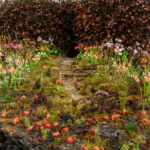

Spring has arrived, bringing warmer days, longer hours of sunshine and the perfect opportunity to breathe new life into your garden. September is one of the most exciting times of year for gardeners, with colourful flowers, fresh growth and plenty of opportunities to transform outdoor spaces.
Whether you have a large garden, a small courtyard, a balcony or a few pots on a patio, spring is the perfect time to introduce colour and prepare your garden for the warmer months ahead.

Before filling your garden with flowers, start with the foundation: healthy soil.
Remove weeds and old plant material from your beds and borders, loosen compacted soil and add a generous layer of good-quality compost. Compost helps improve soil structure, adds organic matter and helps the soil retain moisture.
Spring is also a good time to feed established plants with an appropriate fertiliser to encourage healthy new growth and flowering. Adding a layer of mulch around plants can further help retain moisture, suppress weeds and keep roots cooler as temperatures rise.
If you’re wondering how to prepare your garden for spring, a little preparation now can make a big difference throughout the growing season.
One of the best things about spring is the selection of flowering plants available. Petunias, begonias, impatiens, New Guinea impatiens, marigolds, gazanias, osteospermums, salvias, pelargoniums, verbena, lobelia, alyssum, snapdragons and celosia can all bring vibrant colour to beds, borders, pots and hanging baskets.
For sunny areas, choose plants that enjoy plenty of direct sunlight. Gazanias, petunias, marigolds, osteospermums, salvias and pelargoniums are excellent choices for bright, sunny positions.
If your garden has areas with less direct sunlight, don’t worry—you can still create a colourful display. Clivias, impatiens and New Guinea impatiens are particularly useful in shady or dappled-shade areas. Clivias are also an excellent indigenous option for planting beneath trees or brightening up a shady corner.

If you want your garden to stay colourful throughout summer, look for long-flowering varieties and give them the care they need to keep producing blooms.
Petunias, pelargoniums, salvias and verbena are just some of the flowering plants that can provide extended colour when planted in the right conditions. Regular deadheading removes faded flowers and can encourage many plants to produce more blooms.
A combination of different plants can also help create a garden that changes throughout the season rather than flowering all at once.
Spring is also a wonderful time to introduce plants that support pollinators. Flowering plants such as salvia and alyssum can attract bees and other beneficial insects, helping turn your garden into a more active and wildlife-friendly space.
As September becomes warmer and drier, newly planted flowers will need consistent watering while they establish their root systems. However, there isn’t one watering schedule that works for every garden.
Check the soil regularly and consider the plant, weather, soil type and whether it is growing in the ground or a container. Water deeply enough to encourage healthy root growth, while avoiding constantly waterlogged soil.
Mulching around plants can help reduce moisture loss, particularly during hot periods. Always remain mindful of local water restrictions and use water responsibly.
Spring isn’t only about planting flowers. It’s also the perfect time to tackle some important maintenance jobs.
Prune winter-flowering shrubs and hedges once they have finished flowering, and pinch out the growing tips of suitable plants to encourage bushier growth. Roses can be fed with a suitable rose fertiliser as they enter their active growing season, while regular checks can help catch aphids before they become a bigger problem.
Keep an eye on clivias, agapanthus and other lily-like plants for lily borer, particularly as temperatures rise. Inspect new growth regularly and deal with pests early using an appropriate treatment.
Perennials and ornamental grasses that have become overcrowded can also be divided and replanted, giving established plants more room to grow.
Your lawn deserves some attention too. Scarifying and aerating can help improve the penetration of air, water and nutrients, while a fine layer of lawn dressing can support new growth. Spring is also a good time to check your lawnmower and sharpen its blades before the growing season gets underway.
Spring is a great time to look out for summer-flowering bulbs such as Zantedeschia, Eucomis, Gladioli, Sandersonia, Gloriosa and Amaryllis. Plant them in well-prepared soil and remember to feed flowering bulbs appropriately to help support future growth.
Your food garden can also get a fresh start. Clear away spent winter vegetables, add compost and prepare beds, containers and hanging baskets for your summer crops. Depending on your local conditions, vegetables such as beans, beetroot, radishes, carrots, spinach, Swiss chard and lettuce can be planted during spring, while warmer-season crops such as tomatoes, chillies, peppers, cucurbits and brinjals can follow once the risk of frost has passed.
Strawberries are another spring favourite and can be grown in beds, pots or hanging baskets.

There is no better way to welcome spring than with a garden full of colour.
From sun-loving gazanias and petunias to shade-friendly clivias and impatiens, the right plants can transform even the simplest outdoor space. With healthy soil, the right amount of sunlight, thoughtful watering and regular care, your garden can stay vibrant well beyond September.
At Lifestyle Home Garden, you’ll find a wide selection of beautiful spring flowers, plants, bulbs, compost, fertilisers, lawn products, pots and everything else you need to get your garden growing.
Visit us this spring and let your garden spring into colour.